

Coheteros
Rocket Makers Association
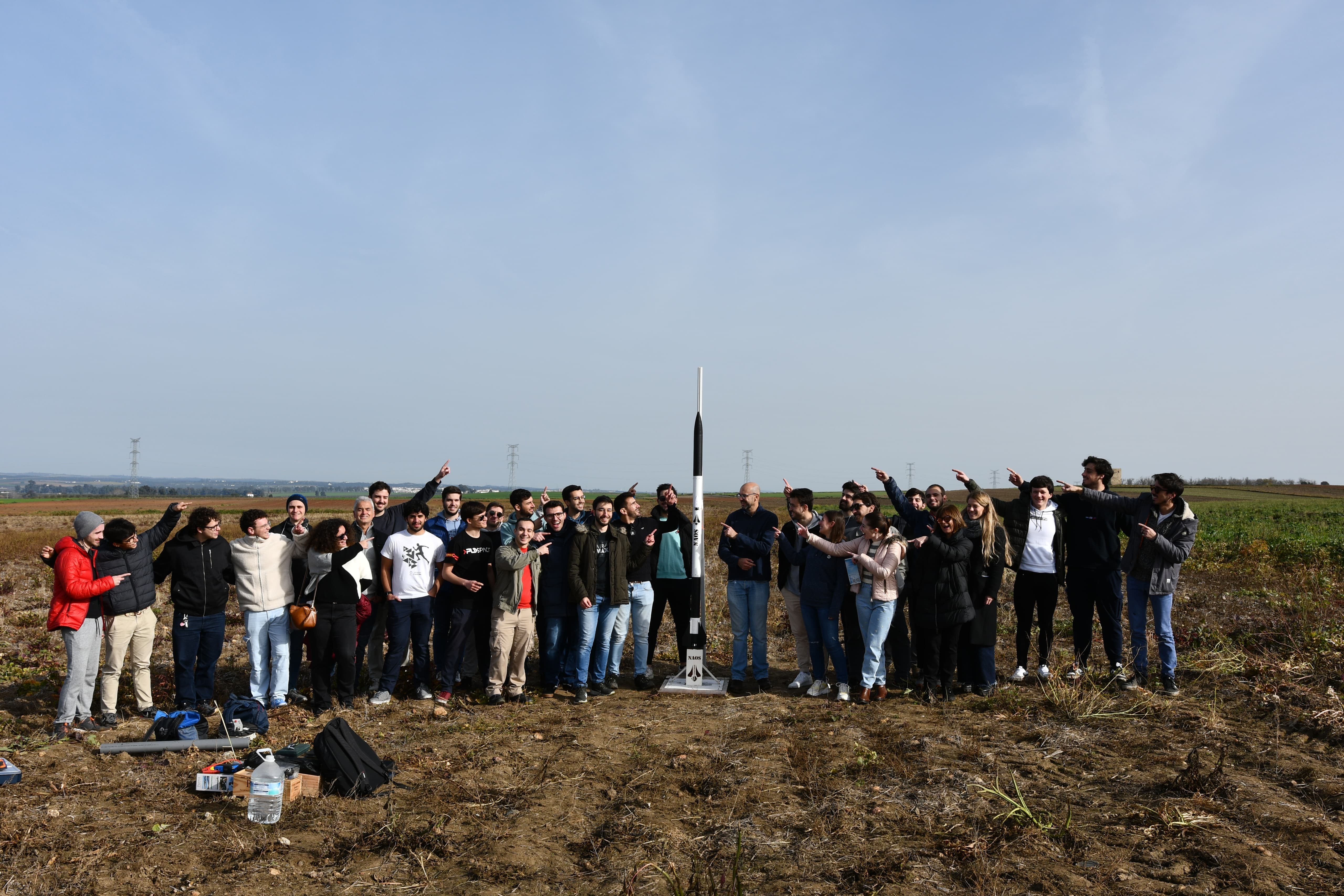
Looking to get a head start on Seville's space future? Gain experience in the field of experimental space rocketry? Hear the roar of rocket engines or witness breathtaking launches? Then this is the association for you.
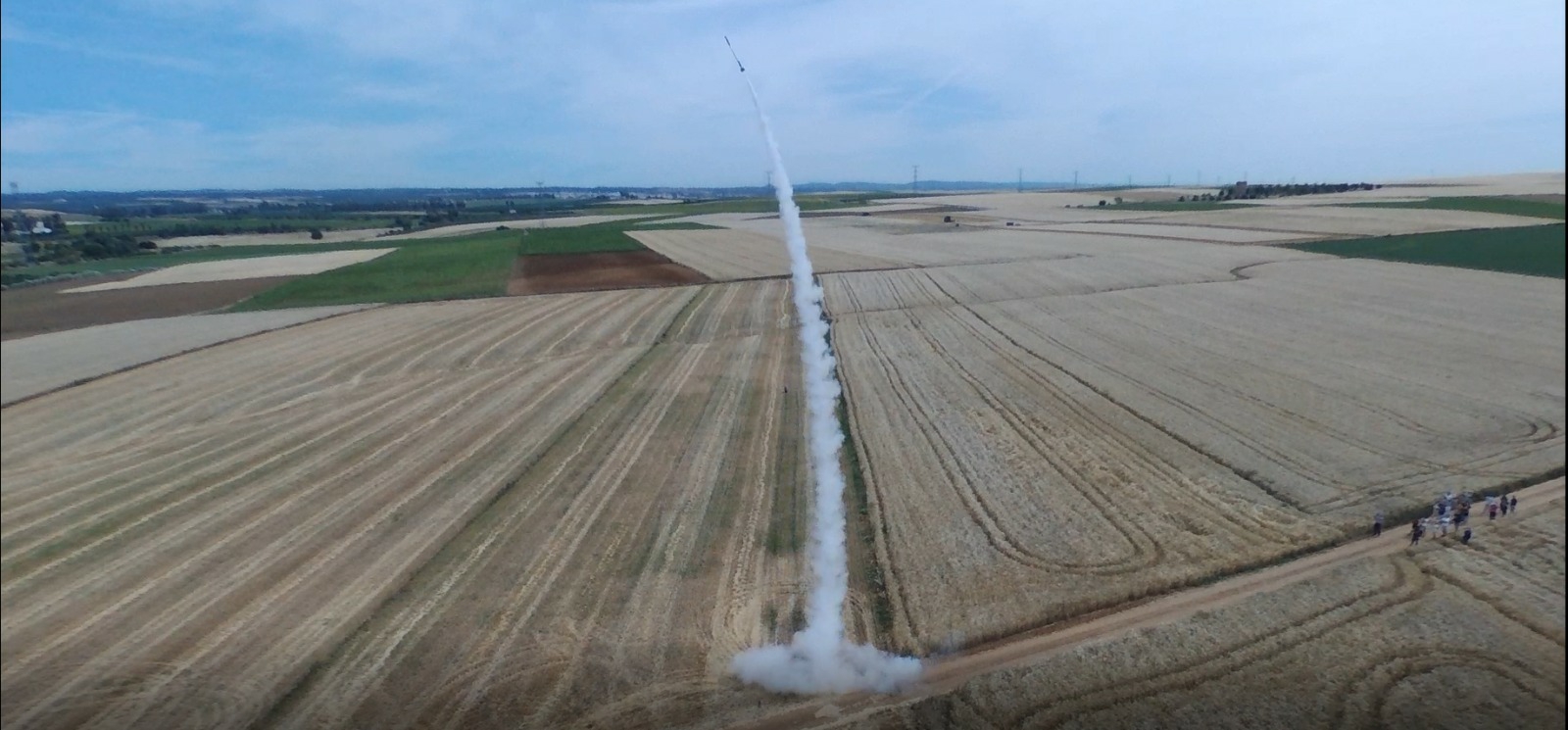
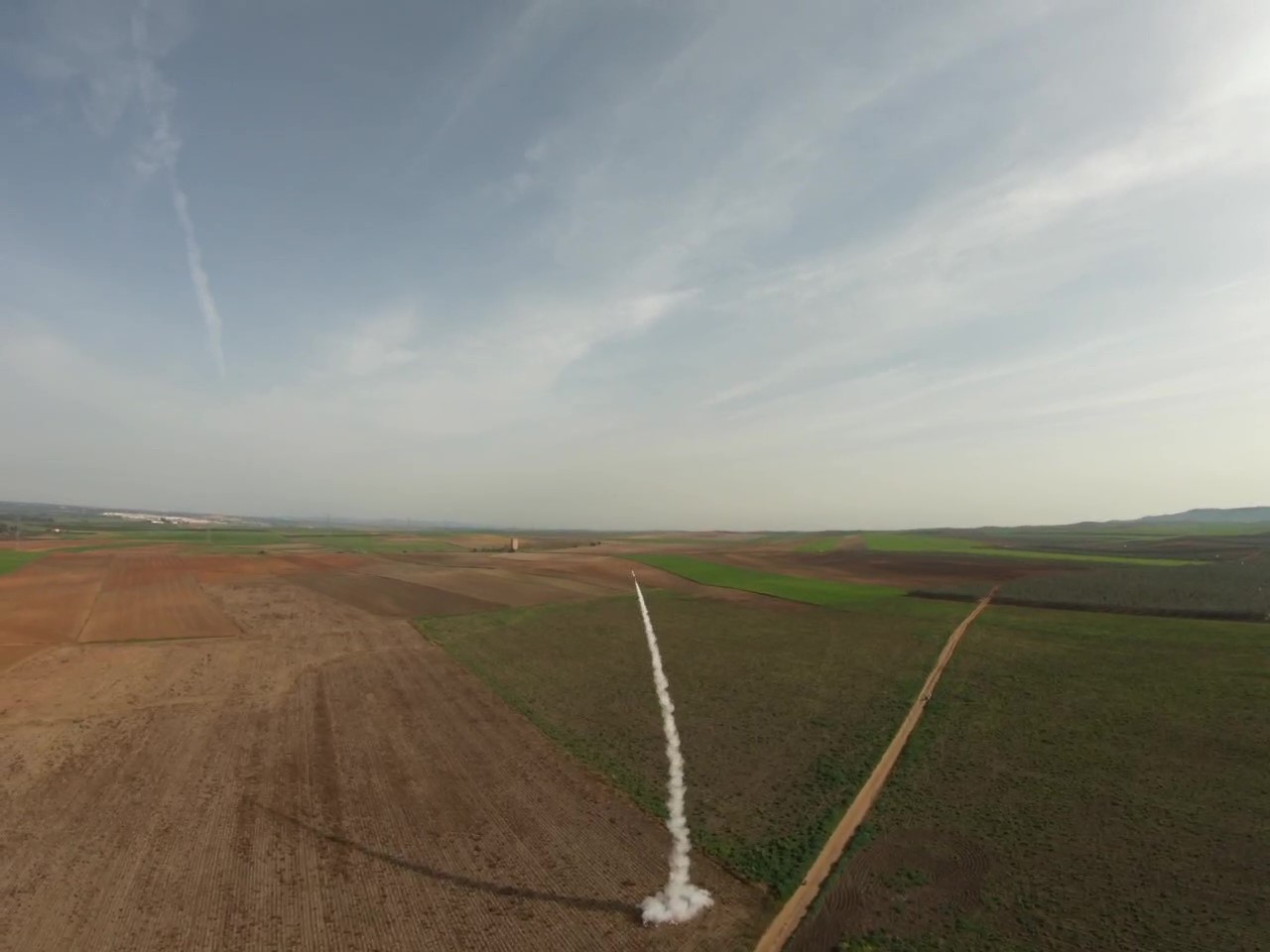
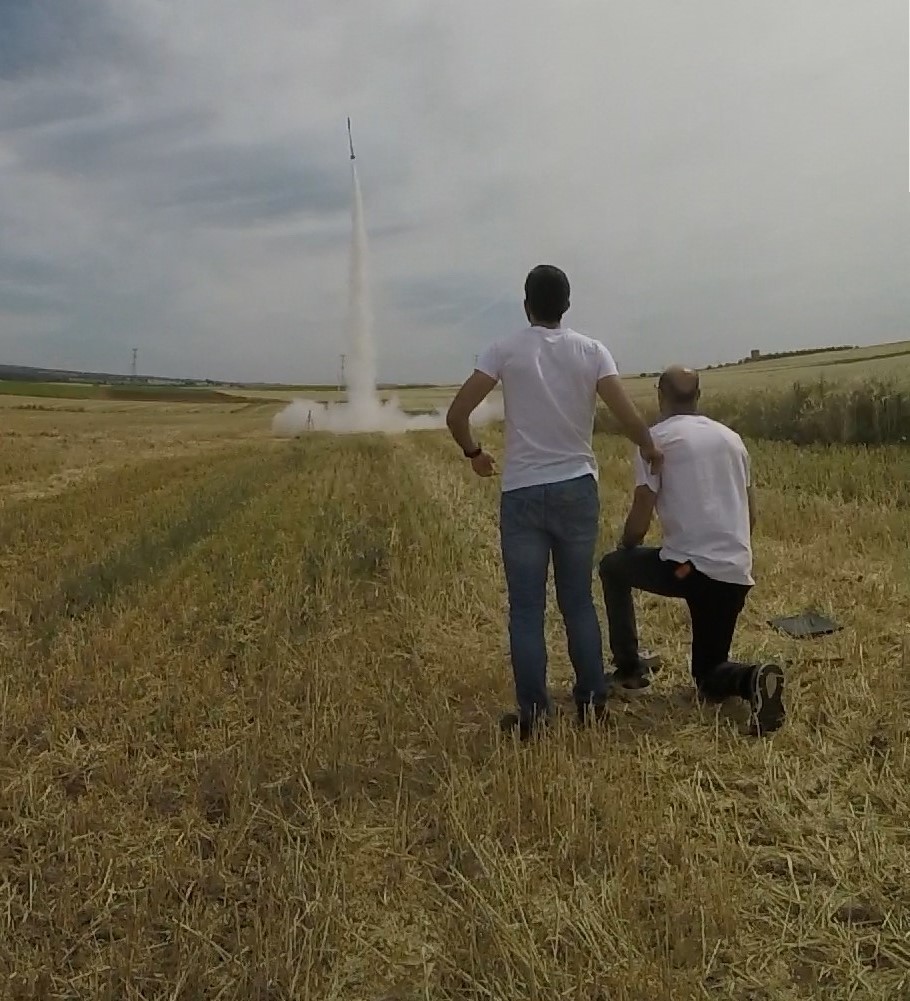
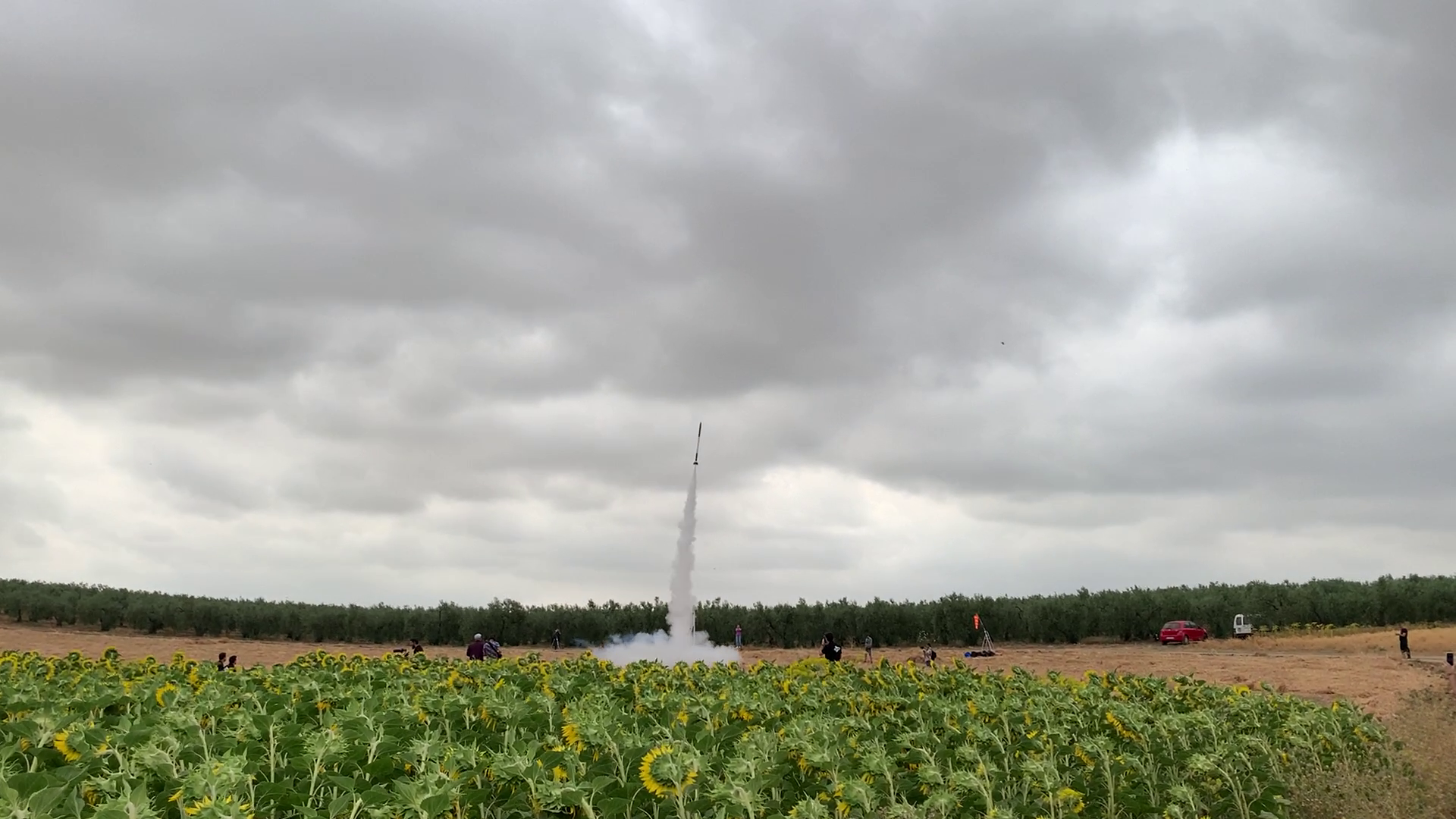
Coheteros boasts numerous large-scale projects, positioning them as a leading association in Andalusia. Thanks to their more than 15 years of experience in the sector, they have the capacity to design, develop, manufacture, test, and launch their experimental space launch vehicle prototypes. In fact, their main objective is to extend knowledge beyond theory, putting into practice the knowledge acquired during university studies and materializing it all in real projects capable of fulfilling their established mission.
Although Coheteros uses chemical fuels in their rocket engines, what truly drives them is passion, enthusiasm, and unity. All its members, despite their diverse tastes, disciplines, and hobbies, share a common enthusiasm for space launchers and the technology they embody.
Furthermore, some members of the association are former students of the University of Seville with real experience in the sector, which allows them to use work methodologies typical of the business world, knowledge based on experience, develop complex and reliable tools, but above all to establish a direct link between the University and the working world, and open the doors to those members of Coheteros who wish to dedicate themselves to the space sector, which will undoubtedly experience an unprecedented boom on a large scale.
Another goal of this association is participation in EuRoC (European Rocketry Challenge), the first European competition for experimental rocket launchers, which brings together teams from leading European universities. To this end, Coheteros is working to adapt its current launchers for use in this competition.
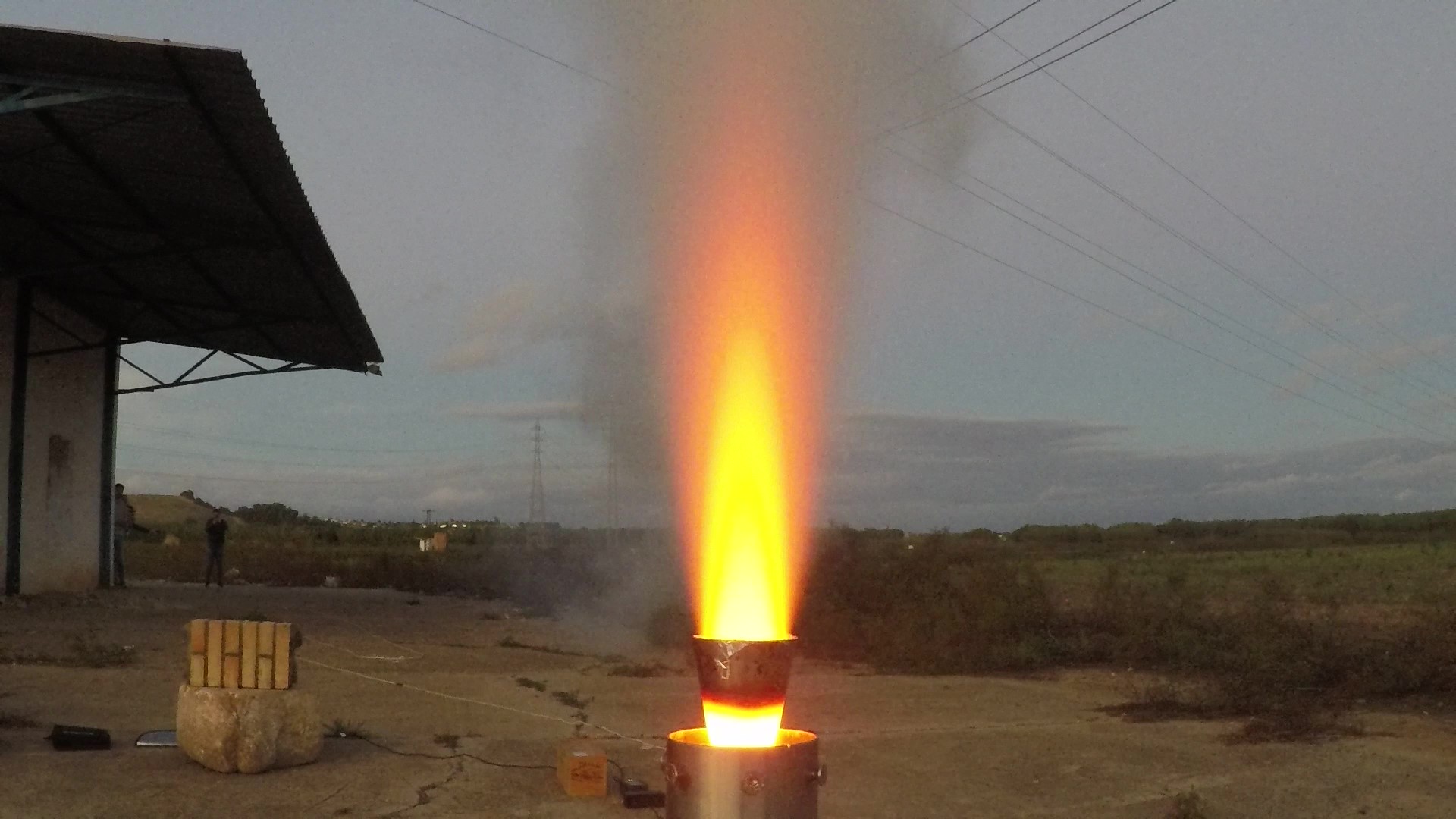
Finally, Coheteros is part of the Seville Space Forum, a group of public and private entities and associations that aim to spread the passion for space in Seville. To this end, they organize numerous activities related to this field each year. Specifically, Coheteros conducts test benches, gives general and more specialized talks, and offers experimental rocketry workshops, among other activities.
To expand knowledge about space modeling, experimental launch vehicles, and all their subsystems. To achieve this, Coheteros is involved in all facets of associated engineering: propellants, design, engineering, recovery systems, electronics, aerodynamic design, etc. The goal is always to use the fewest possible COTS (Commercial Off-the-Shelf) components and prioritize the engineering and design of the equipment.
Another objective of the association is to participate in the EuRoC competition and demonstrate the capabilities of the designed experimental launchers, ensuring that it meets the objectives and mission of the competition.
However, the main objective of Coheteros is to create a united team that shares the enthusiasm and passion for the world of rocketry, as well as to prepare all its members for the working world, enabling them to become professionals in the sector, taking advantage of the theoretical foundations taught at the university and merging them with real experience in ambitious large-scale projects.
Coheteros is organized into 9 work areas:
- Systems Engineering: area in charge of requirements management, as well as the conceptual design of a large part of the launcher's systems.
- Propulsion: design of propulsion systems, ignition systems, propellants used and grain geometries.
- Structures: area responsible for ensuring the structural integrity of the launcher, interfaces and subsystems during any launcher operation within the flight envelope
Guidance, Navigation, and Control: This area handles all the engineering behind the launchers' performance, maneuvers, sensor data management, and in-flight disturbance rejection. It is also responsible for developing the launchers' flight simulator and predicting their behavior.
- Electronics and Telematics: responsible for the development of all onboard electronic systems for obtaining flight data through sensor selection, tracking, release commands of recovery subsystem, video recording, power supply, actuation subsystems, etc.
- Software: This area encompasses all the generation of code used in the projects: onboard codes for the launchers, state machine management, graphical interfaces for visualizing telemetry data, bench tests, and test support. Its main function is to ensure that the work carried out by GNC is implementable in the electronics developed by the Electronics and Telematics area.
- Aerodynamics: This area is responsible for the aerodynamic design of all launcher surfaces, optimization, and generation of semi-empirical and CFD aerodynamic models for use in the flight simulator. They are also responsible for aspects such as stability, maneuverability, and the design of recovery subsystems.
- Design: This department is responsible for the design and assembly of all subsystems, components, and elements that make up the launchers. They are also responsible for providing other departments with geometric and mass models of the launcher, which are essential for their work.
- Manufacturing and Testing: This area encompasses all the previous areas and includes all activities related to manufacturing, testing, trials and tests to ensure the correct functioning of the developed systems.
- Betelgeuse: Reusable experimental solid propellant rocket capable of reaching 600 m apogee and passive stabilization.
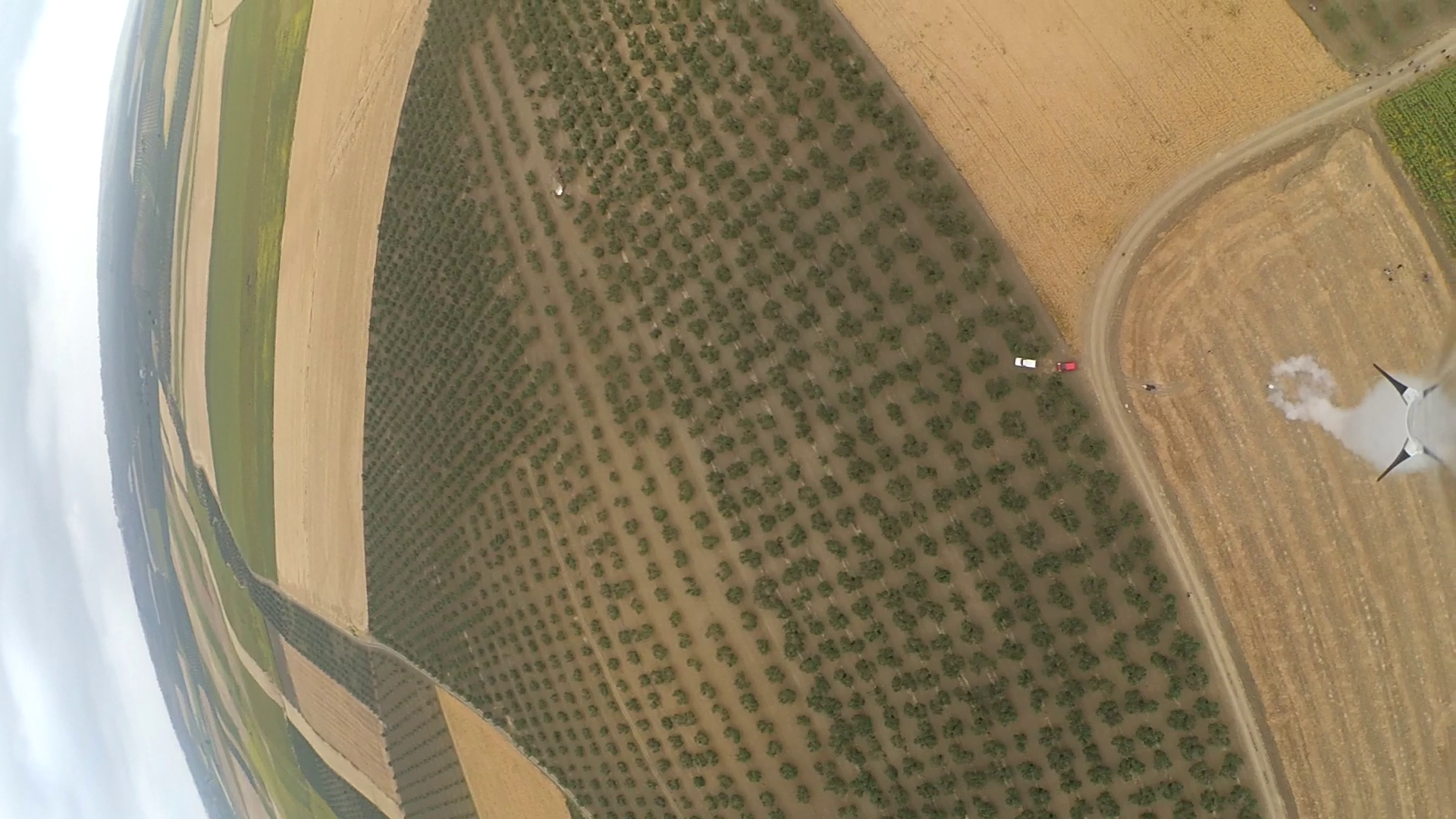
- NAOS: Experimental solid-propellant rocket capable of ascending to almost 3 km apogee, with passive stabilization and featuring various subsystems (release and recovery subsystem, onboard video recording, flight data, tracking and telemetry)
- NAOS EVO: Evolution of NAOS that incorporates new and more robust subsystems, as well as an innovative active control subsystem that will allow the rejection of disturbances during flight.
- 10 km apogee launcher : This is the most ambitious project undertaken by Coheteros and aims to position the University of Seville as the first in Spain to manufacture an experimental university solid-propellant rocket with a 10 km (stratospheric) apogee. All the technologies developed for NAOS EVO will be used for this purpose.
To ensure the safety of its members and operations, Coheteros strives to establish clear safety protocols and maintain all necessary permits for any activities that may carry a certain level of risk. These measures include:
- Protocols for working with and handling flammable substances
- Application for launch permits (NOTAM) and transport
- Liability insurance
- Safety, manufacturing and handling courses
- Experts in each subject with prior experience who ensure the safety of the team
- Organization, role allocation, checklists and specific tasks in both bench tests and launches
- Legal support for the association
President : Álvaro Sáez Zapata ( alvaro.saez@coheteros.com )
Secretary and Treasurer : David Pino Fernández ( david.pino@coheteros.com )
Vice President : Jesús Sáez Barragán ( jesus.saez@coheteros.com )
Faculty Advisor : Francisco Gavilán Jiménez
Email : info@coheteros.com
Website : https://www.coheteros.com
Instagram : @coheteros_us LinkedIn: Coheteros Asociación (COHETEROS Asociación | LinkedIn)