The FyCUS 23 team successfully launches a pseudo-satellite to the edge of space
The FyCUS 23 team successfully launches a pseudo-satellite to the edge of space
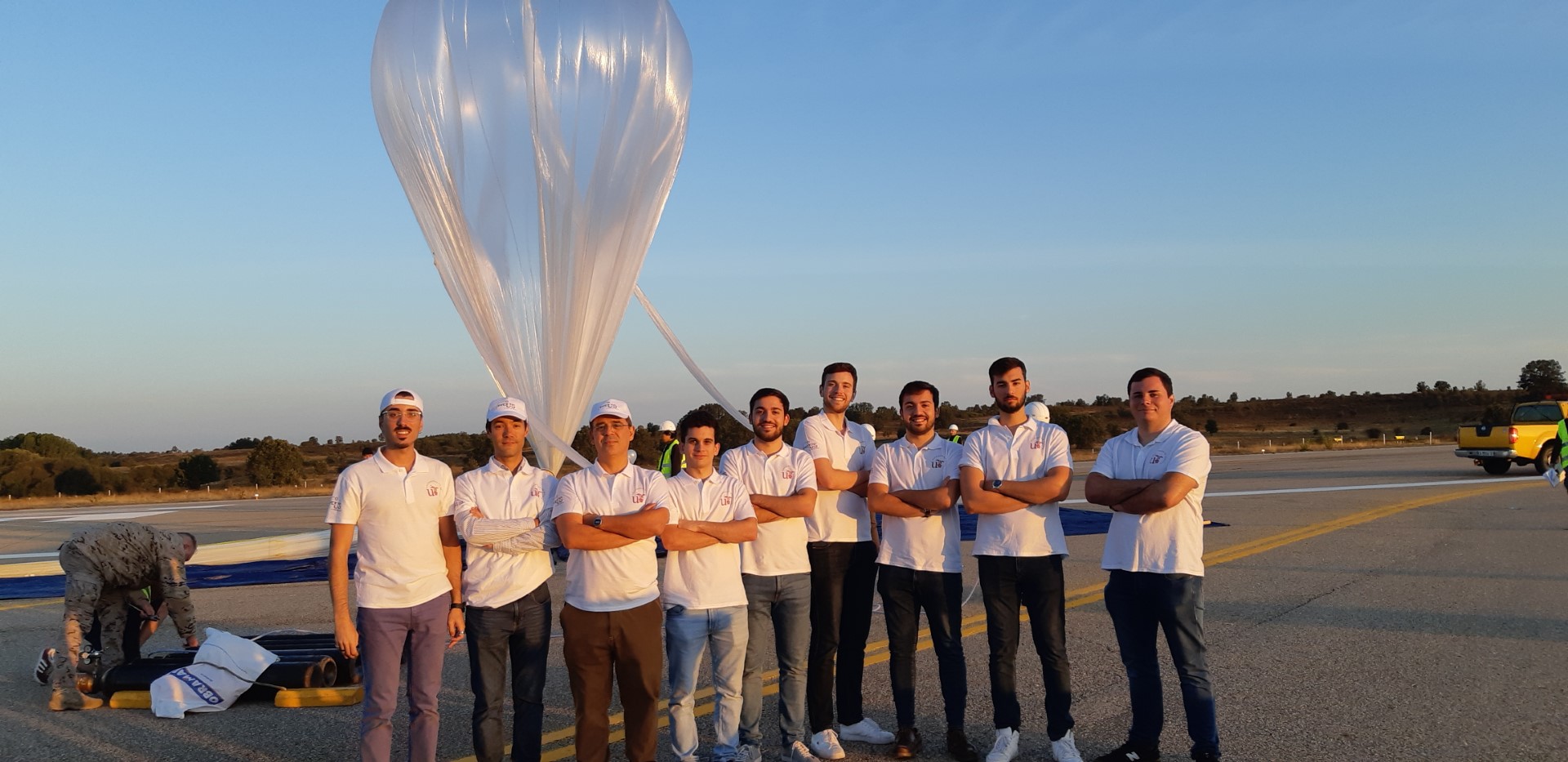
A group of students from the Higher Technical School of Engineering and the Higher Polytechnic School of Engineering at the University of Seville, led by Professor Dr. Francisco Rogelio Palomo Pinto, presented the results of the FyCUS 23 'Fly your CubeSat' project today, following the successful launch phase on October 4, 2023, at the León airfield. The FyCUS program is an initiative of the Vice-Rectorate for Knowledge Transfer and Entrepreneurship at the University of Seville, which aims to complement the training of our students of aerospace engineering, electronic engineering, and business management through the practical application of their knowledge in a real stratospheric mission.
To mark World Space Week 2023, the team presented the results following the launch phase of their project, which aimed to create a High Altitude Pseudo Satellite (HAPS) in a 3U cubesat-compatible format. The group also developed and tested a prototype ground-based automatic tracking antenna operating in the UHF 433 MHz band. The students had the opportunity to design, build, test, and operate their Fycus23 pseudosat, launched from the Air Force and Space Base in León, where the entire team traveled last week.
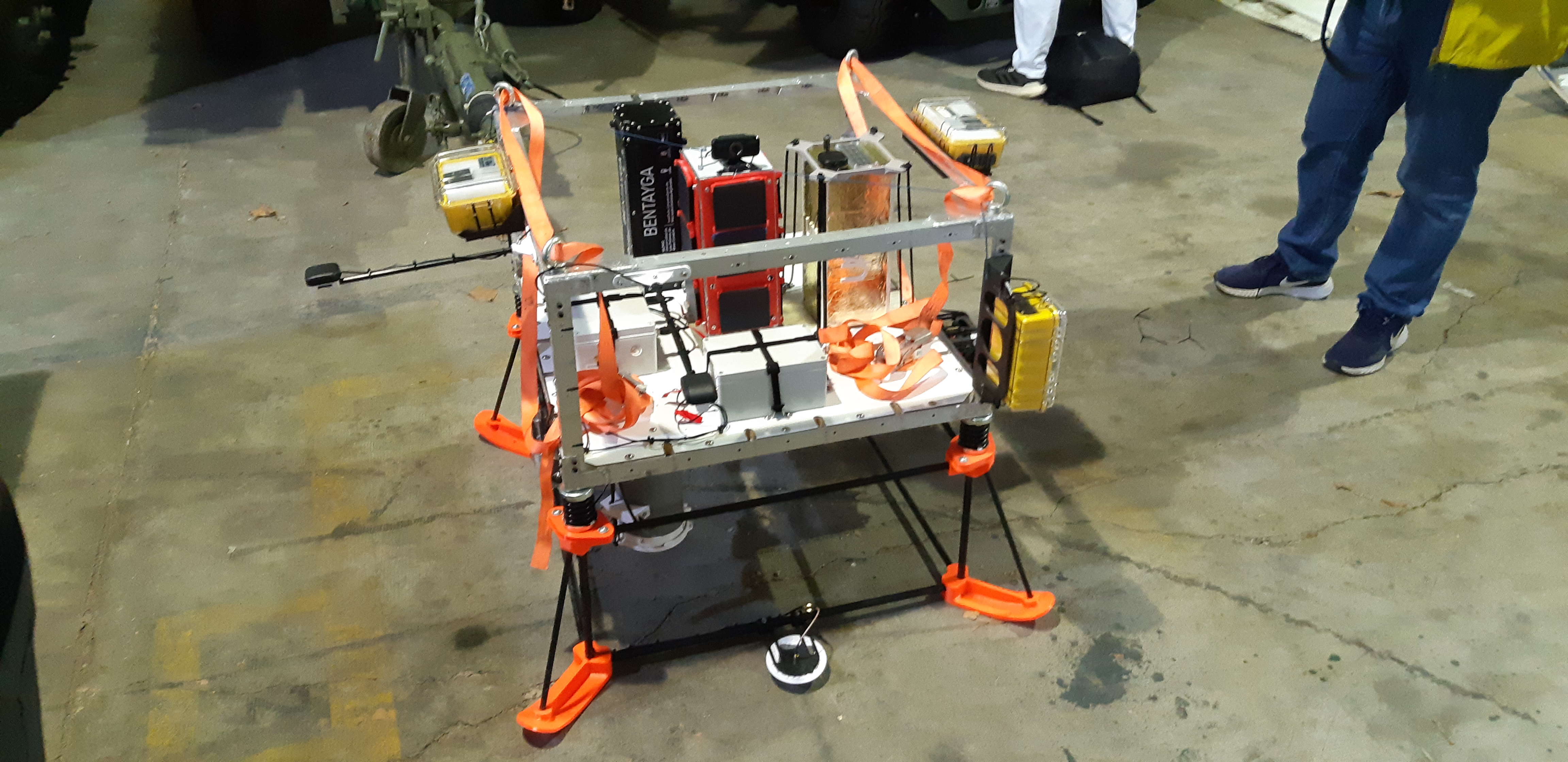
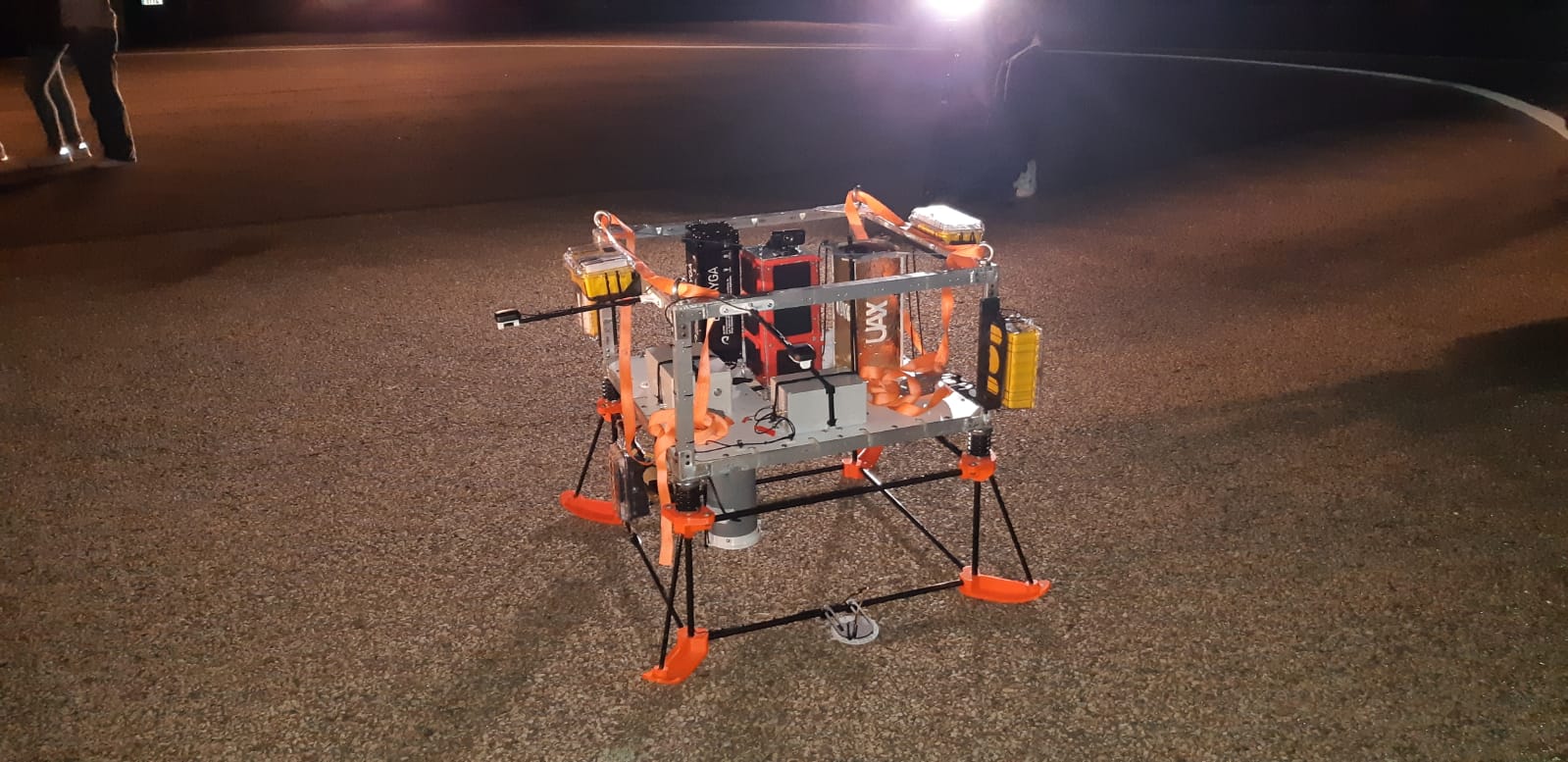
It was during this phase that the team was able to fulfill the project's mission: to place a 3U cubesat-shaped pseudo-satellite into space using a stratospheric balloon with the FyCUS23 vehicle mounted on a gondola. The pseudo-satellite was successfully recovered in working order. The launch company was B2Space. In addition to our FyCUS23, the gondola also carried three other pseudo-satellites developed by the University Institute of Applied Microelectronics of the University of Las Palmas de Gran Canaria (Bentayga), the Alfonso X el Sabio University (UAX), and B2Space itself (1UCube).
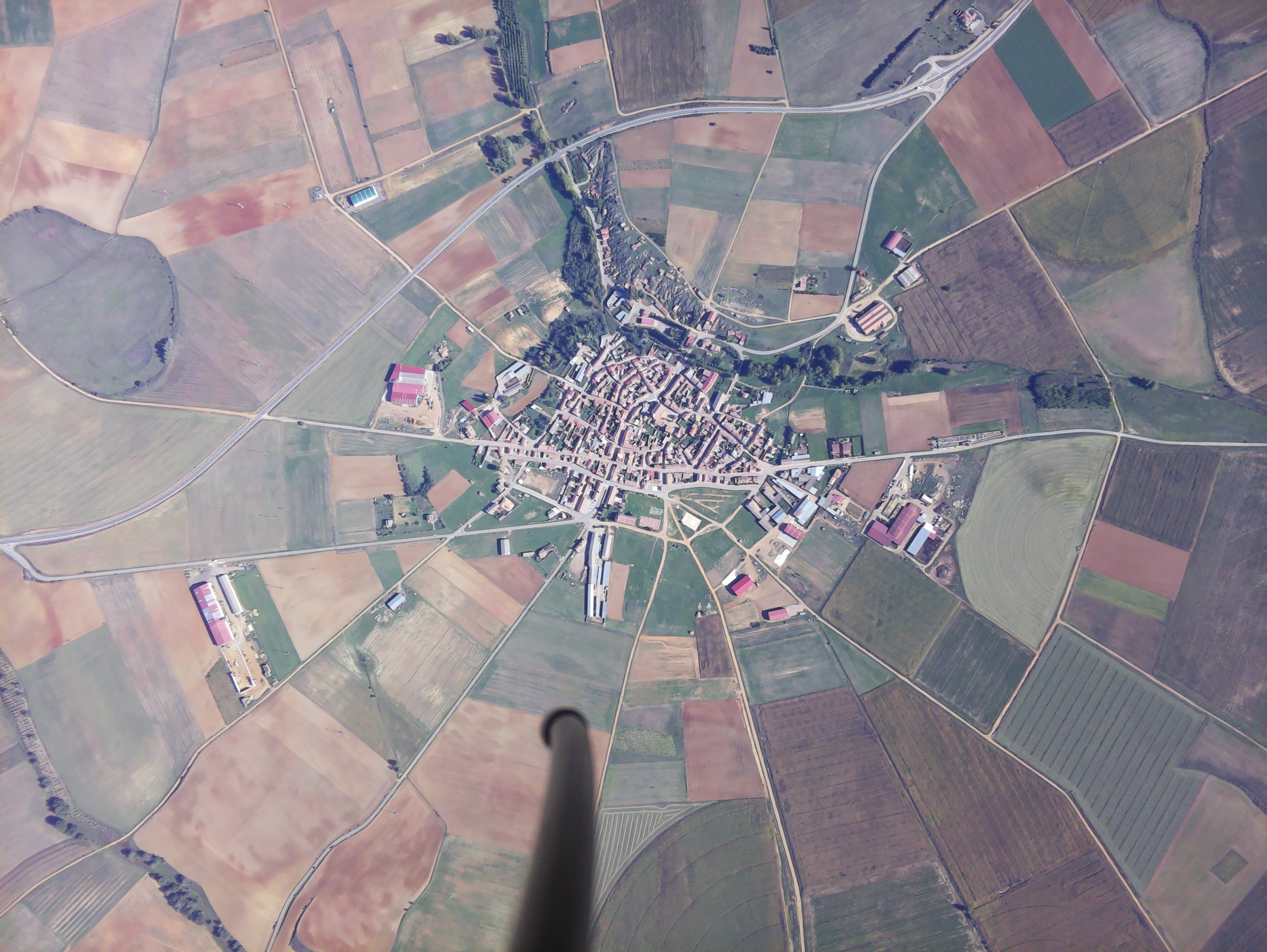
The mission reached an altitude of 19 km and lasted 2 hours and 39 minutes, landing safely north of Gordaliza del Pino, in the province of León. The FyCUS23 vehicle is itself a prototype design that could be used for future missions. It is powered by monocrystalline solar panels and rechargeable batteries. Onboard, it carries a power control computer (EPS, Electrical Power System), an on-board computer (OBC), and a payload computer (PLOC, Payload On-board Computer).
The EPS manages onboard electrical power according to thermal conditions, lighting, and battery status. The OBC controls telemetry and navigation and environmental sensors (IMU, GNSS, thermometers, and barometer). The payload bay houses the PLOC, which records photographs and video captured by two cameras—one for top-down terrain observation and the other a pan-tilt panoramic camera with horizon-view capability—to its solid-state memory. Telemetry uses the IoT LoRa protocol on UHF 433 MHz. Onboard heating employs slow-release exothermic bags, appropriate for the mission duration. On the ground, a robotic antenna is used for automated tracking, with primary locking to the vehicle's GNSS position and secondary locking to the received signal strength.
The vehicle, avionics, sensors, tracking antenna and all the necessary software have been developed and integrated by the FyCUS group, with the support of the STCE (Secretariat for Knowledge Transfer and Entrepreneurship) and the ETSI (Higher Technical School of Engineering), both of the University of Seville.
Furthermore, after the presentation of the project results, a round table discussion took place with the participation of representatives from the main sponsors of FyCUS2023: Solar Mems Technologies, Indaero Grupo Emergy, TEMAI Ingenieros, DINEL (Department of Electronic Engineering) and the Department of Aerospace Engineering and Fluid Mechanics of the Higher Technical School of Engineering of the University of Seville.
The "Fly your Cubesat" is an international program, which began in 1999 as a joint project of California State Polytechnic University (Cal Poly) and Stanford University. In addition to developing technological skills such as design, manufacturing, and flight control, the program seeks individuals to be involved in carrying out other tasks necessary for the success of a mission, relying on a multidisciplinary group of students.