
Project Arachne
Date
Brief overview
The aim is to lay the methodological and computer foundations for studying the fabrics with which the mummies of the historic Deir el-Bahari cache were wrapped and re-lined
Spanish technology developed to unveil the secrets of great masterpieces of painting has taken an unprecedented leap into Egyptian archaeology. The Aracne software, a pioneering tool developed jointly over more than a decade by the University of Seville (US) and the Prado National Museum (MNP), has begun to be applied to the analysis of unique textiles found in the Theban necropolis of Luxor.
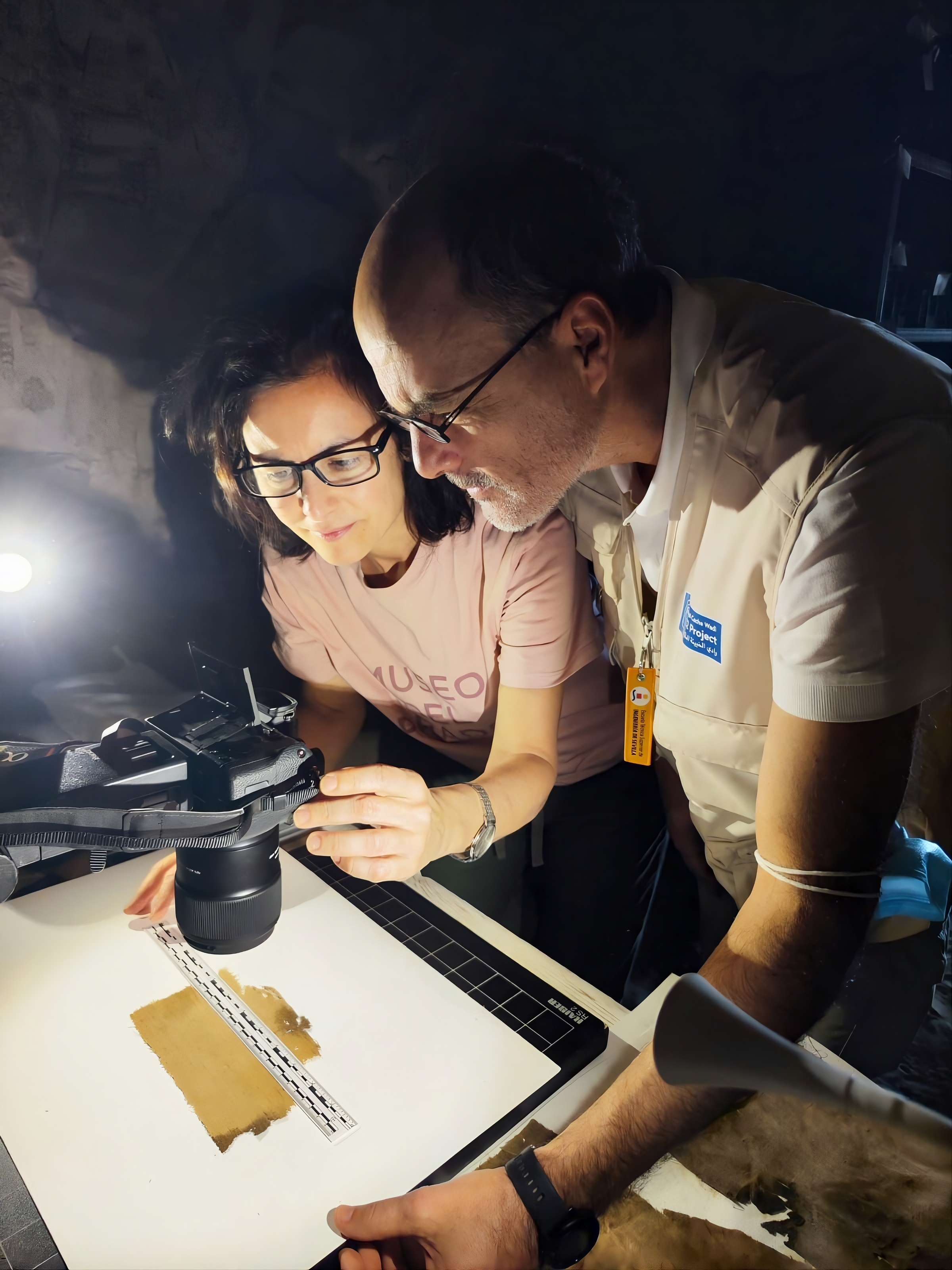
The professor Juan José Murillo Fuentes, from the Higher Technical School of Engineering (ETSI) of the University of Seville, and the researcher and restorer Laura Alba CarcelénSpecialists from the Technical Documentation Office of the Prado National Museum traveled to the archaeological excavation of Project C2 following an invitation from its co-director, Professor José Ramón Pérez-Accino, Egyptologist from the Complutense University of Madrid (UCM) and the Egyptian Ministry of Antiquities.
The textile mysteries of the 'Royal Cache'
He Project C2 The research team is investigating one of the most fascinating and complex sites in the Valley of the Royal Mummies, near Deir el-Bahari, where dozens of pharaohs were hidden in ancient times to protect them from looters. In one of the tombs excavated by the Complutense University mission, a unique collection of ancient textiles has been unearthed. Evidence suggests that these textiles may be related to the ritual reconditioning of the mummified bodies in the famous Royal Cachette, a key process in the history of funerary preservation in Ancient Egypt.
Until now, the characterization of these types of ancient fabrics depended on very slow manual methods and was conditioned by the fragile state of preservation of the fibers.
From Velázquez or Rubens to the artisans of the Nile
To overcome this challenge, Aracne comes into play. Originally designed to automatically process and measure thread density, warp and weft directions, and canvas irregularities from technical images and X-rays, this software—which the ETSi of the University of Seville and the Prado Museum are already making available to the international scientific community—has been fundamental in resolving complex questions of authorship, dating, and provenance in the Madrid art gallery.
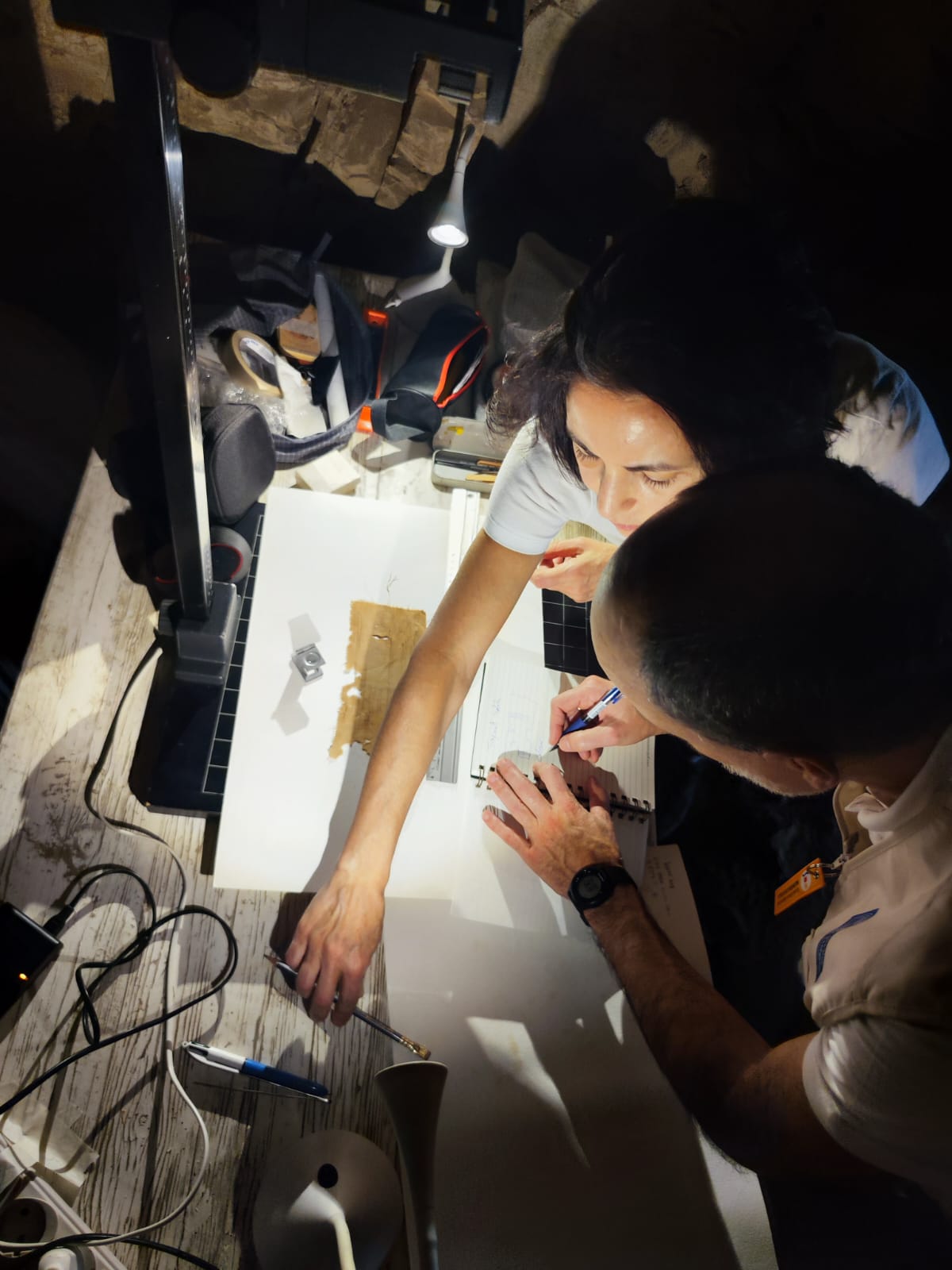
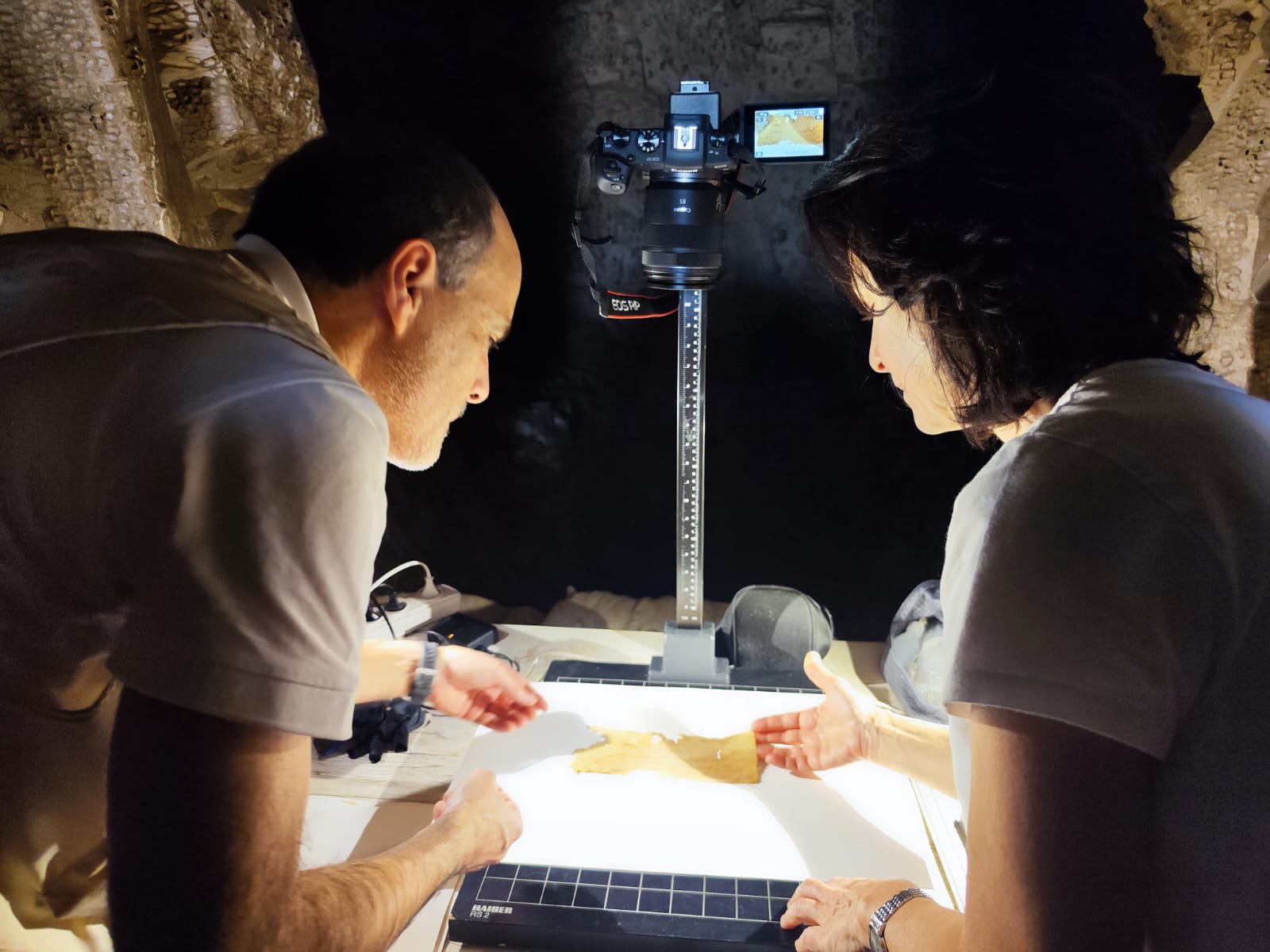
During the campaign in Luxor, Murillo Fuentes and Alba Carcelén's team had direct access to the discovered textile material. Their work in the field consisted of selecting, preparing, conditioning, and capturing high-resolution photographs under strict preventive conservation protocols, so that the images could be digitally processed by the computer platform outside of Luxor.
A new tool for Egyptology
The collaboration seeks two fundamental goals: on the one hand, to validate the effectiveness and accuracy of Aracne's algorithms on plant fibers and textile weaves from dynastic Egypt; on the other hand, to lay the foundations for adapting the software itself to the particularities of archaeological fabrics.
“The application of Arachne in Luxor demonstrates the extraordinary versatility of technology transfer stemming from cultural heritage,” the researchers note. This milestone opens the door to a standardized, non-invasive, and reproducible procedure that would allow archaeologists and Egyptologists worldwide to classify, match fragments, and unravel textile manufacturing processes in Ancient Egypt, supported by a dedicated software tool.