Coheteros US ranks among the top ten teams at EuRoC 2026 in their first appearance
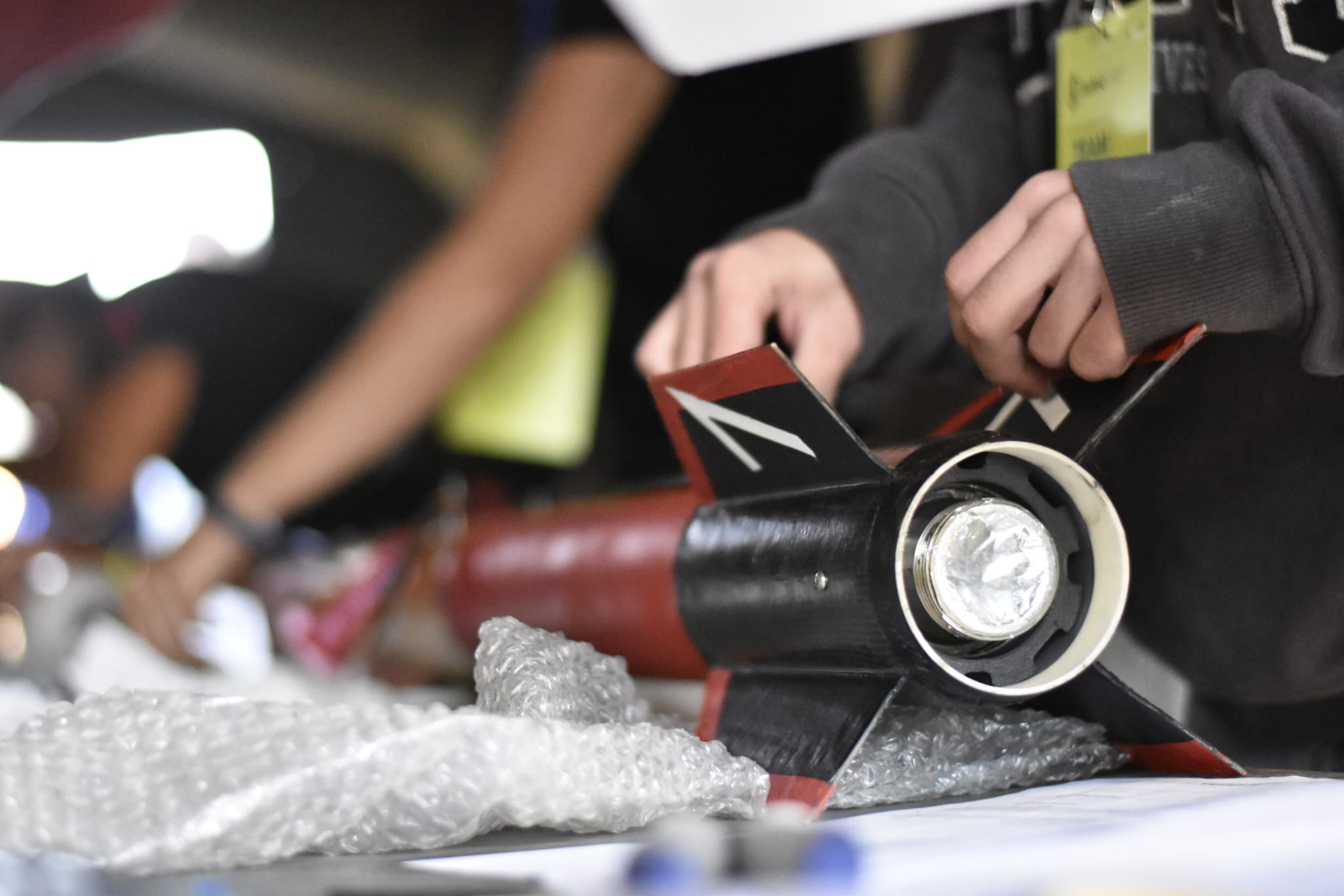
Coheteros US ranks among the top ten teams at EuRoC 2026 in their first appearance
The University of Seville association achieves first place among novice teams in Technical Report and second place in Vehicle Design.
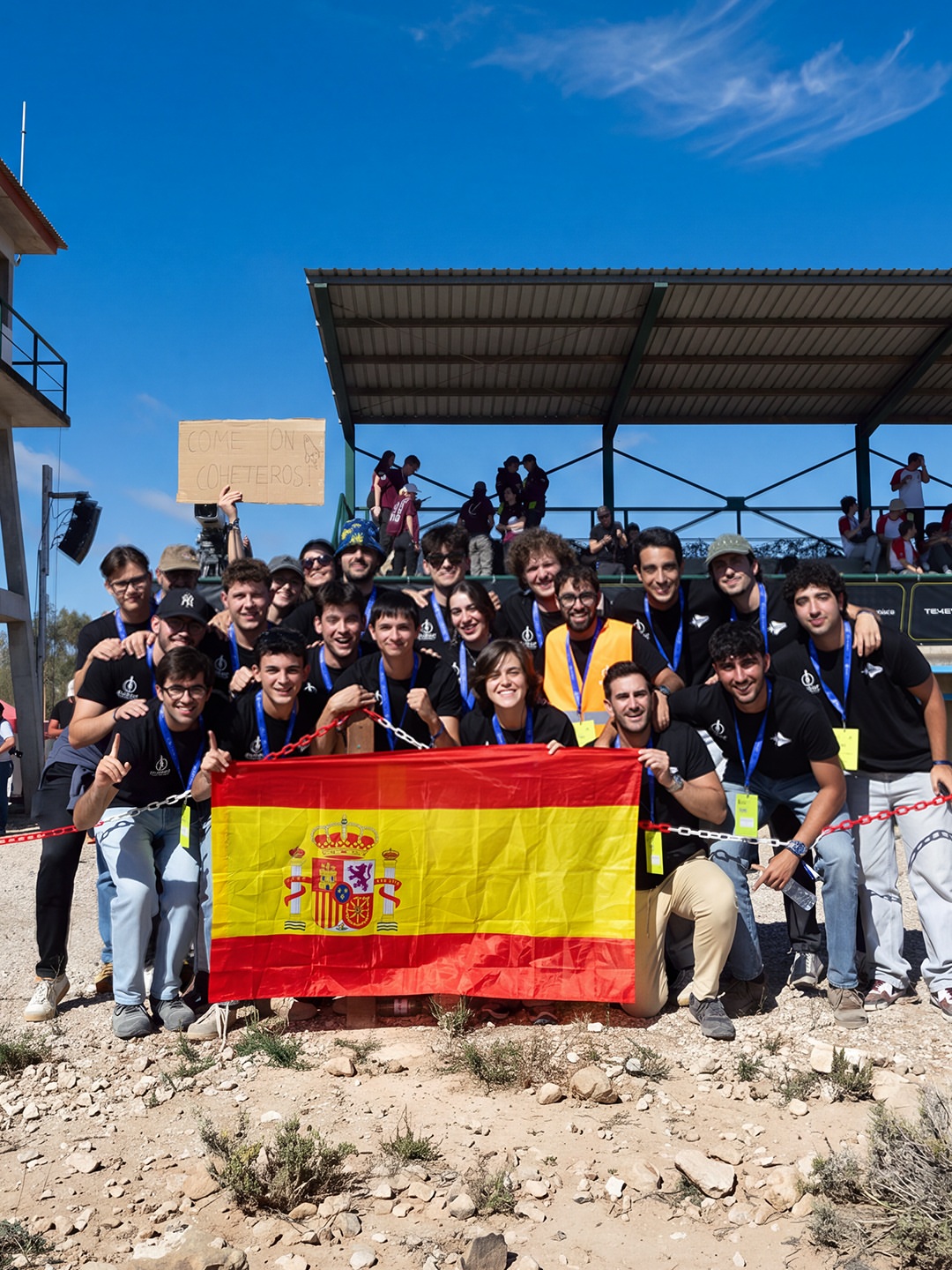
The Coheteros US association, based at the Higher Technical School of Engineering (ETSi) of the University of Seville, has achieved a significant milestone in the Andalusian aerospace sector, placing tenth in its debut in the European Rocketry Challenge (EuRoC) 2026 competition, recently held in Portugal, where it faced the 25 best teams in Europe.
The excellence of Coheteros' work has been reflected in the official metrics of EuRoC 2026, where the Seville team has shone against other debuting universities (RookiesThe association was crowned the best new team in Europe in the Technical Report category with 117 points, and the second best new team in Vehicle Design with 131 points. Adding the scores for Flight Performance (142 points) and Team Effort (136 points), Coheteros has consolidated its tenth place overall with 526 points.
The road to this prestigious student competition has been a true engineering challenge for the more than 60 members of Coheteros US. Over the past year, the team developed a completely new, safer, and more compact parachute recovery and ejection system, and a technical milestone achieved by very few universities: a solid-propellant engine designed and manufactured from scratch. However, in early October, just two weeks before the start of the competition, a test launch revealed critical instabilities. Far from giving up, the students completely redesigned the rocket in fourteen days, modifying the structure and adjusting the electronics to arrive in Portugal with a new configuration that had not yet been flight-tested.
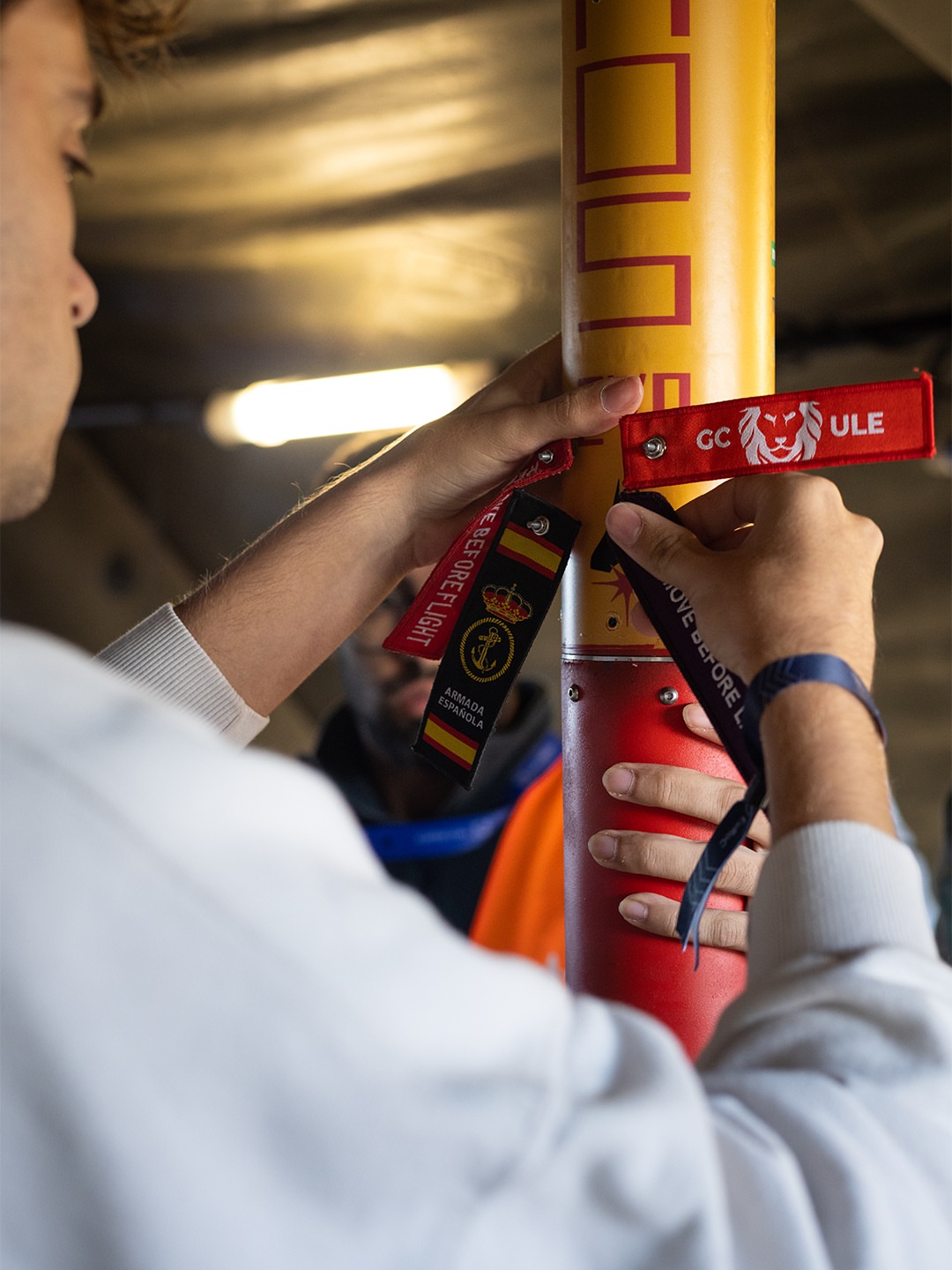
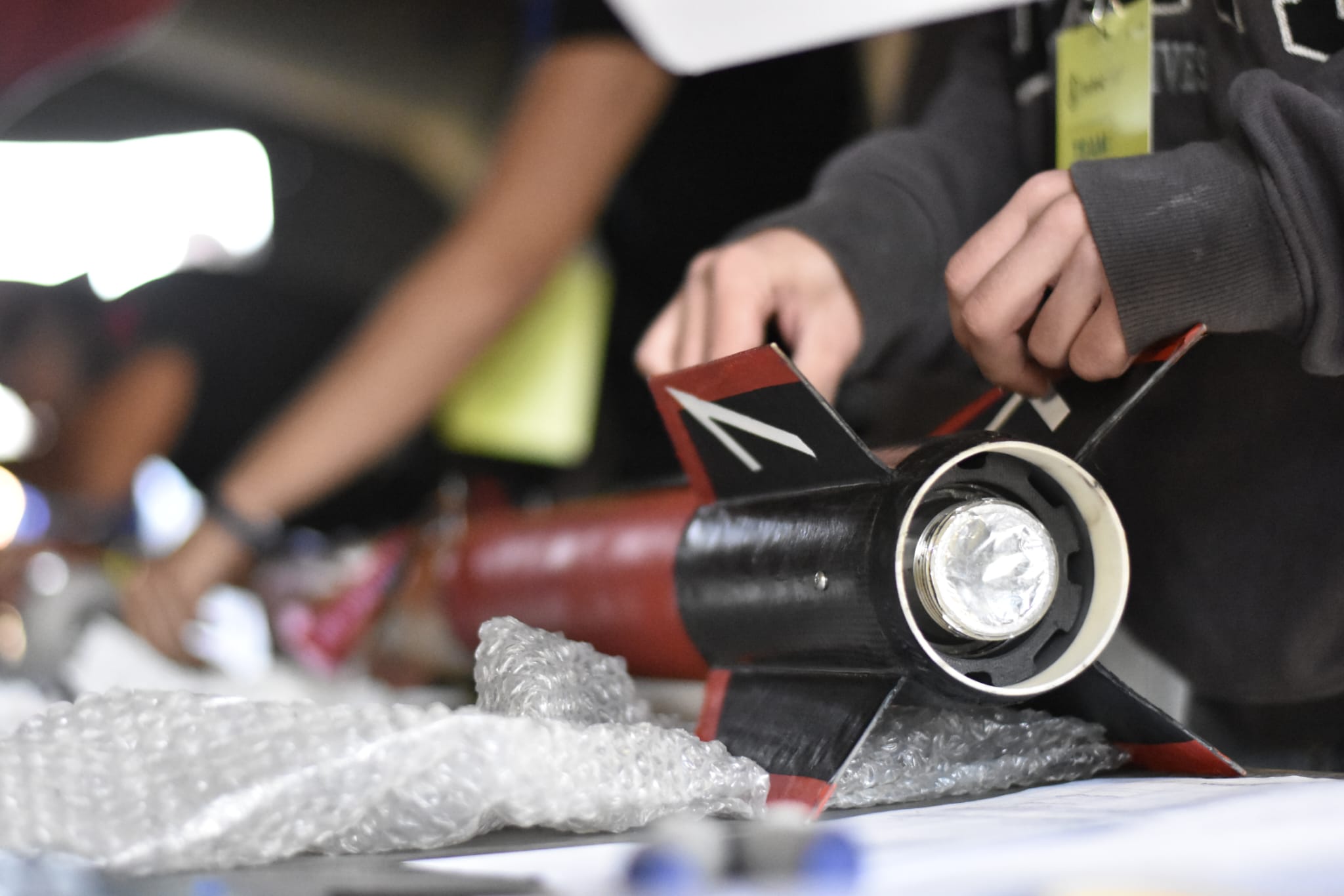
During the week of operations, Rocketry US passed the Flight Readiness Review (FRR), which evaluated the recovery system and the propulsion system, developed by the team itself. During the assembly phase, it was necessary to manufacture parts using 3D printing. Additionally, a short circuit damaged the two main electronics boards the day before launch, requiring them to be rebuilt and soldered overnight. After restoring telemetry and avionics, the team passed the Launch Readiness Review (LRR) on the first attempt.
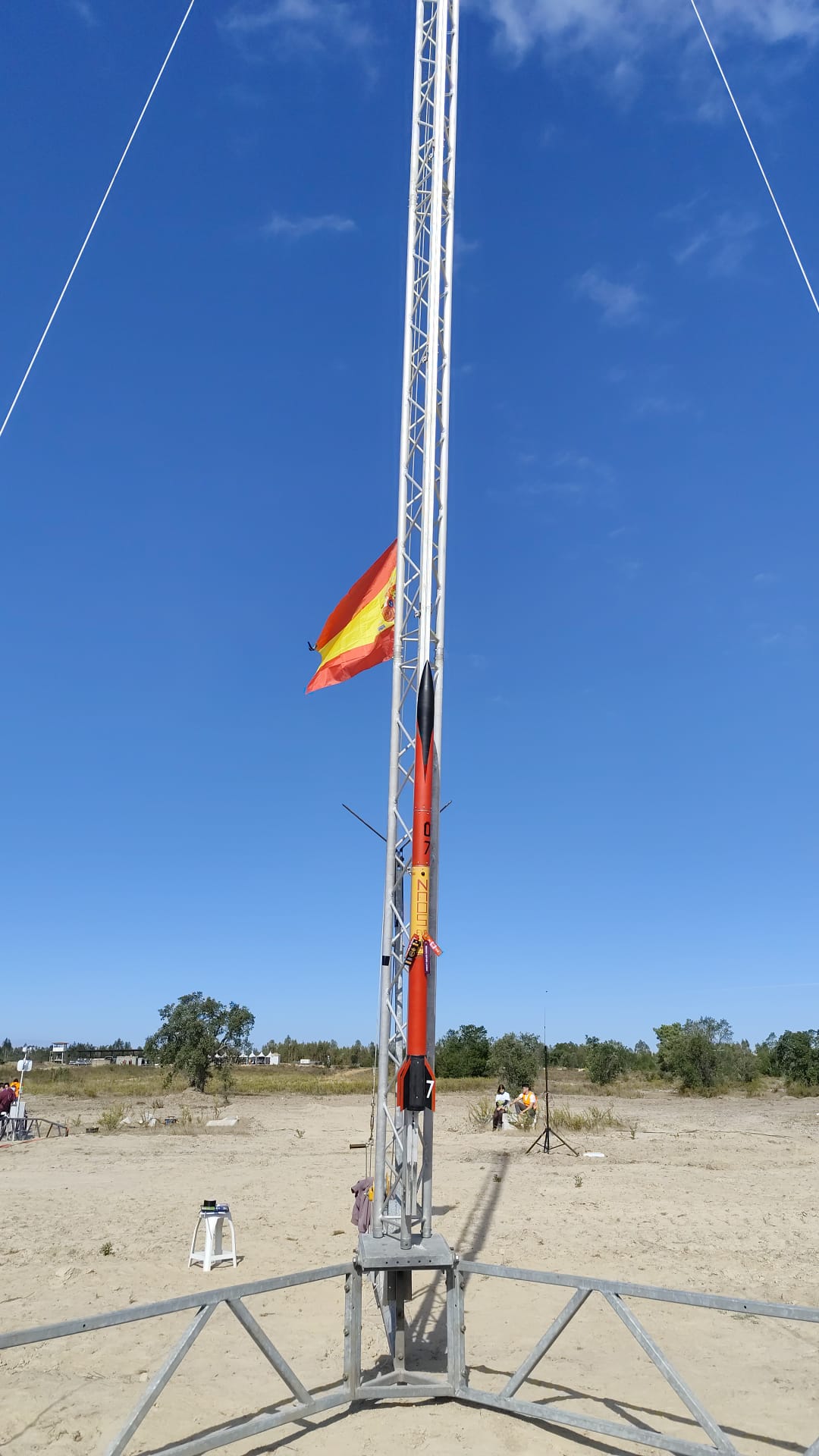
On launch day, a misunderstanding with the organizers delayed the launch pad assembly by 20 minutes, forcing the team to wait for the second flight window. The NAOS EVO reached an altitude of 2,832 meters above the launch site and 2,929.75 meters above sea level, close to the target of 3,000 meters. During the flight, it recorded a maximum acceleration of 117 m/s² (approximately 12 G) and a speed of 265 m/s (Mach 0.78). According to data provided by the team, it was the only one of the five rockets launched in that window that deployed its systems and was able to recover intact.
This historic milestone is a true reflection of the seriousness, discipline, and camaraderie fostered in the classrooms of the ETSi. The invaluable experience gained guarantees that, in future editions, Andalusian rocketry will return to Europe with even greater strength, experience, and determination to lead the competition.
What this family of students has achieved so far is incredible, but get ready, because this is just the beginning.