A student from the ETSi participates in the European training program for electric space propulsion organized by the ESA

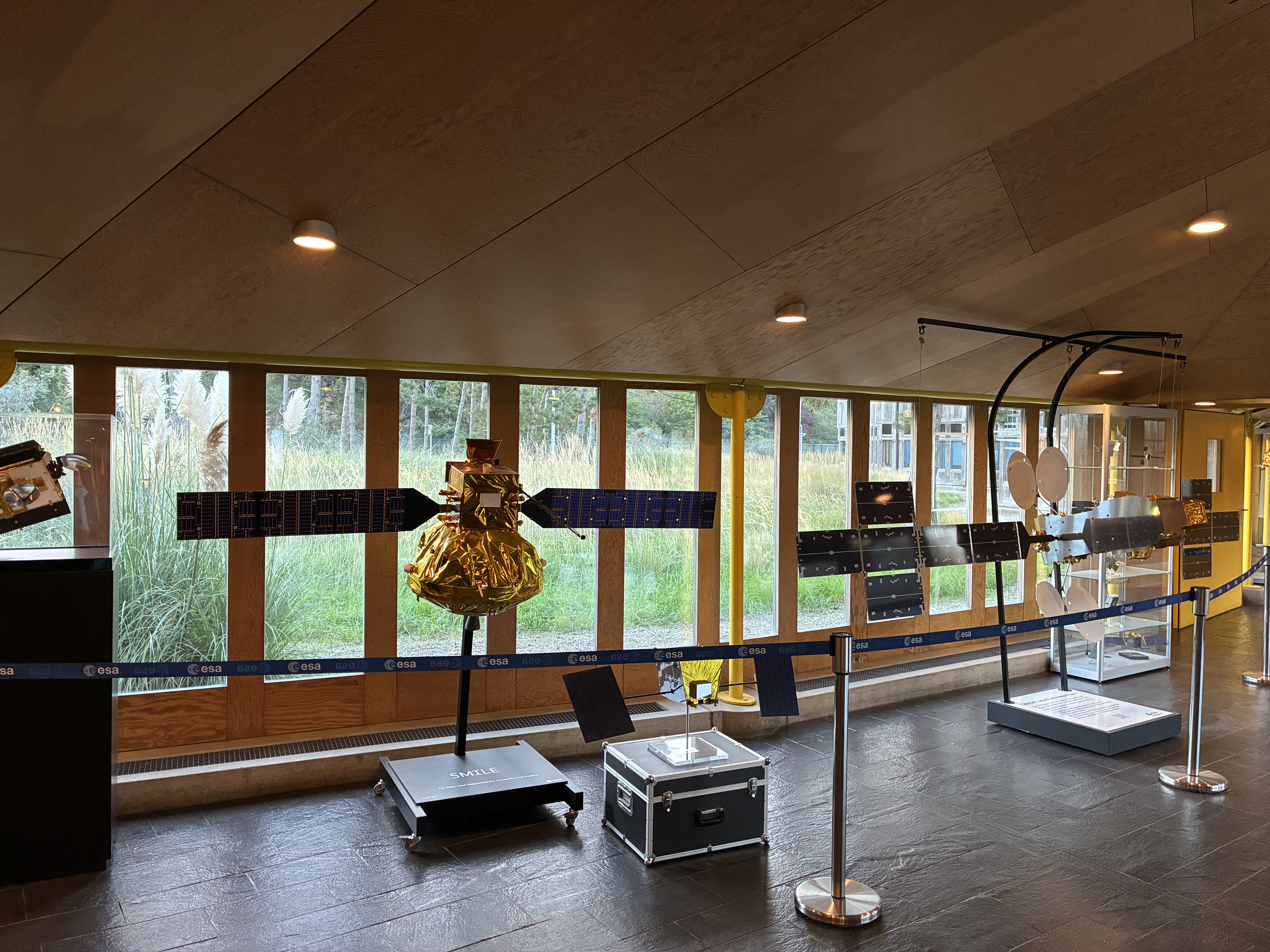
Alejandro Quintas Escobar, a student of the Degree in Energy Engineering at the Higher Technical School of Engineering (ETSi) of the University of Seville, has participated in the 3rd European Summer School on Electric Propulsion for Spacecraft, an international program specializing in electric propulsion technologies for space applications, organized by the European Space Agency (ESA) and held from October 6 to 8 at the European Space Research and Technology Centre (ESTEC), located in Noordwijk (Netherlands).
The student secured one of the 80 available places through a selection process managed by ESA Academy, the European Space Agency's initiative to provide specialized training and development opportunities to university students. His participation was individual and self-initiated, although he attended the event as a student at the University of Seville.
During the sessions, participants received training from researchers, ESA engineers, and other industry specialists. The program covered the fundamentals of plasma physics and various electric propulsion technologies, including Hall effect thrusters, grid ion engines, FEEP (Field Emission Electric Propulsion) systems, and electrospray thrusters. Applications of electric propulsion in small satellites, numerical simulations, diagnostic techniques, and qualification processes for these technologies were also addressed.
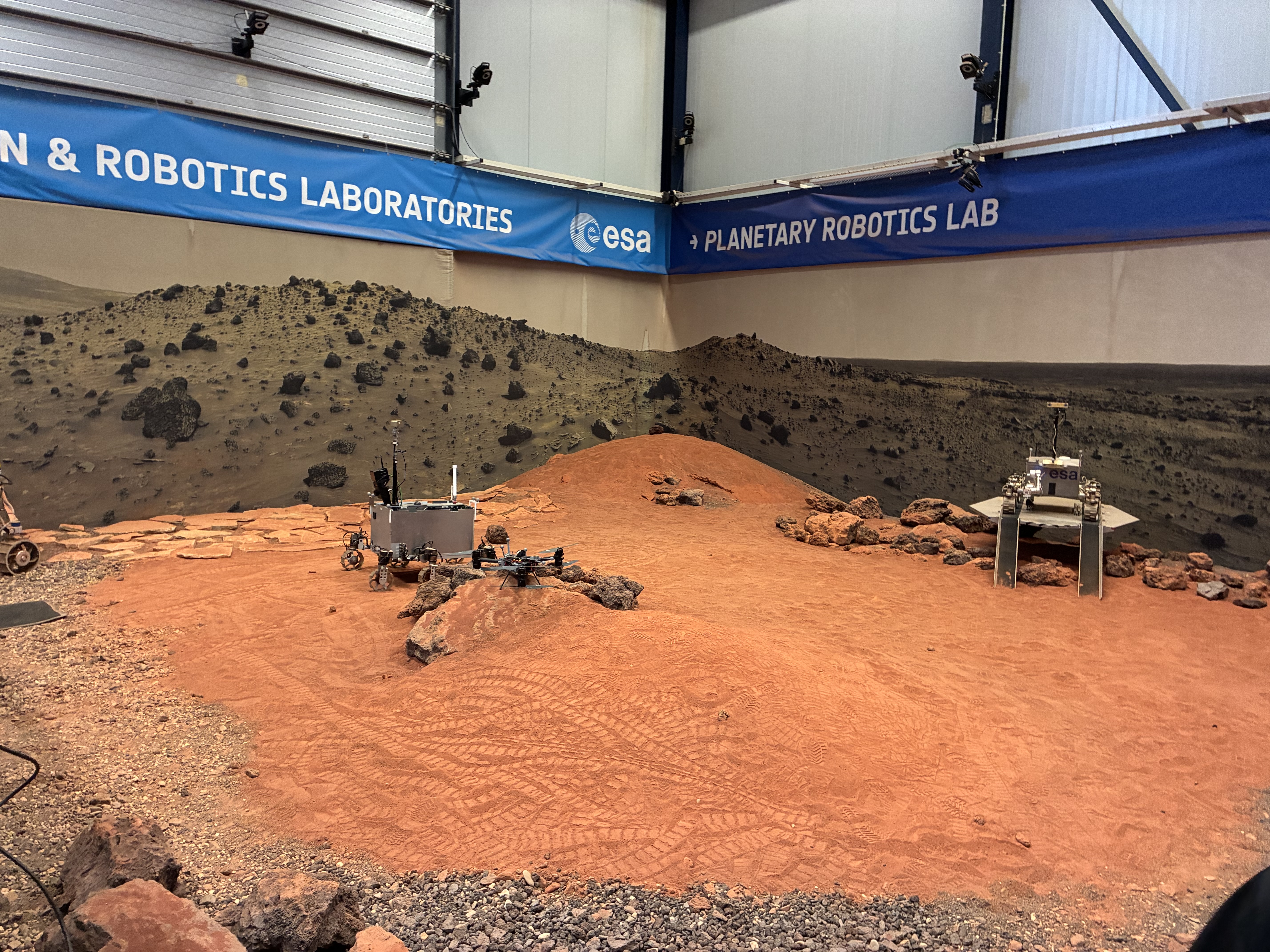
The activity also included a guided tour of the ESA Planetary Robotics Laboratory and Propulsion Laboratory, where attendees were able to learn about facilities and technologies linked to the development of systems for space missions.
Specialized training and international projection
Participation in this school has allowed Alejandro Quintas to delve deeper into a technological field of particular interest to the aerospace sector, as well as to connect with specialists and young researchers from diverse backgrounds. The experience provides an opportunity to broaden his academic training, gain firsthand knowledge of the European Space Agency's work, and explore future career paths in the space industry.
The student highlights the value of this experience in reaffirming his vocation for the sector and his interest in continuing to participate in highly specialized international activities. He also emphasizes the importance of becoming familiar with research environments where different engineering disciplines converge to drive scientific and technological advancement.
Their participation highlights the initiative of ETSi students to complement their university education through international opportunities related to their areas of interest and to get closer to strategic sectors such as space exploration and advanced energy technologies.