The ETSi and the Prado Museum share a tool that enables the scientific analysis of canvases
The Higher Technical School of Engineering and the Prado National Museum are offering, for the first time in Open Access through their website, the Aracne, which facilitates the scientific study of the canvases used by artists in their paintings. This program is the result of ten years of research and close collaboration between the Higher Technical School of Engineering of the University of Seville (Dr. Juan José Murillo) and the Technical Department of the Prado National Museum (Dr. Laura Alba).
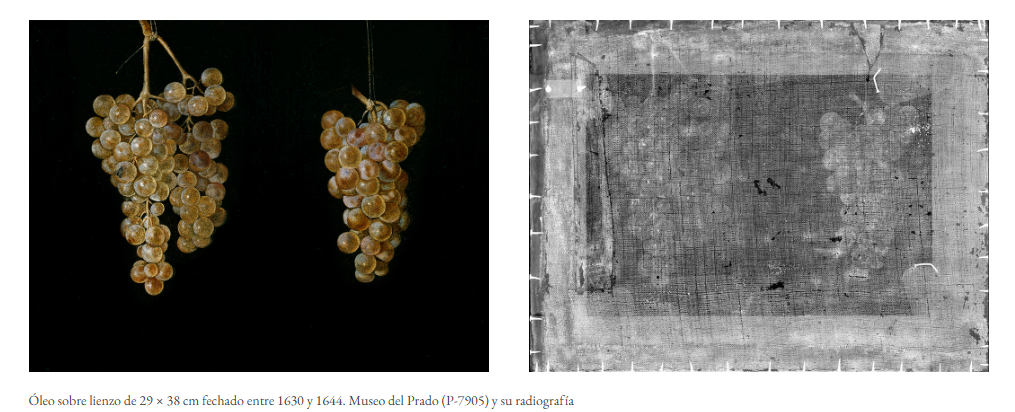
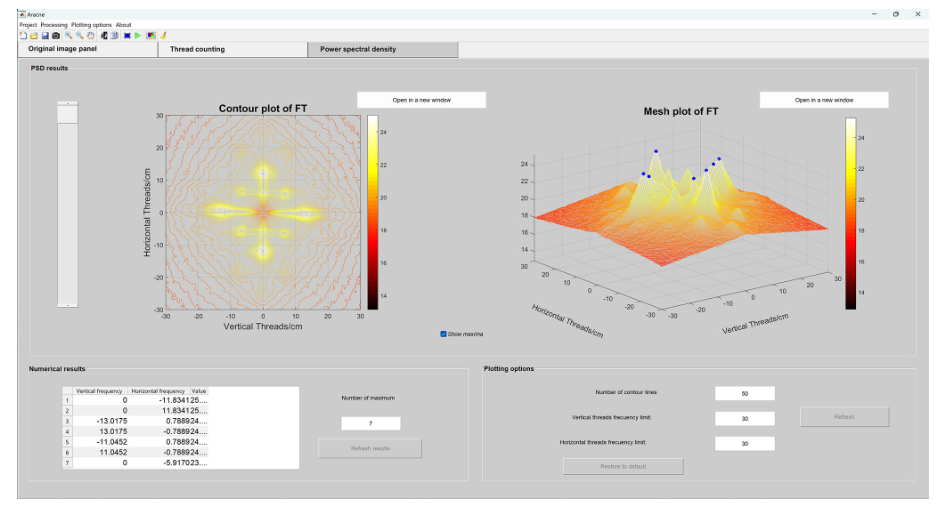
Aracne is a digital tool that applies frequency analysis to a tissue image to characterize it automatically, accurately, and objectively. To do this, the software automatically counts the threads that make up the tissue
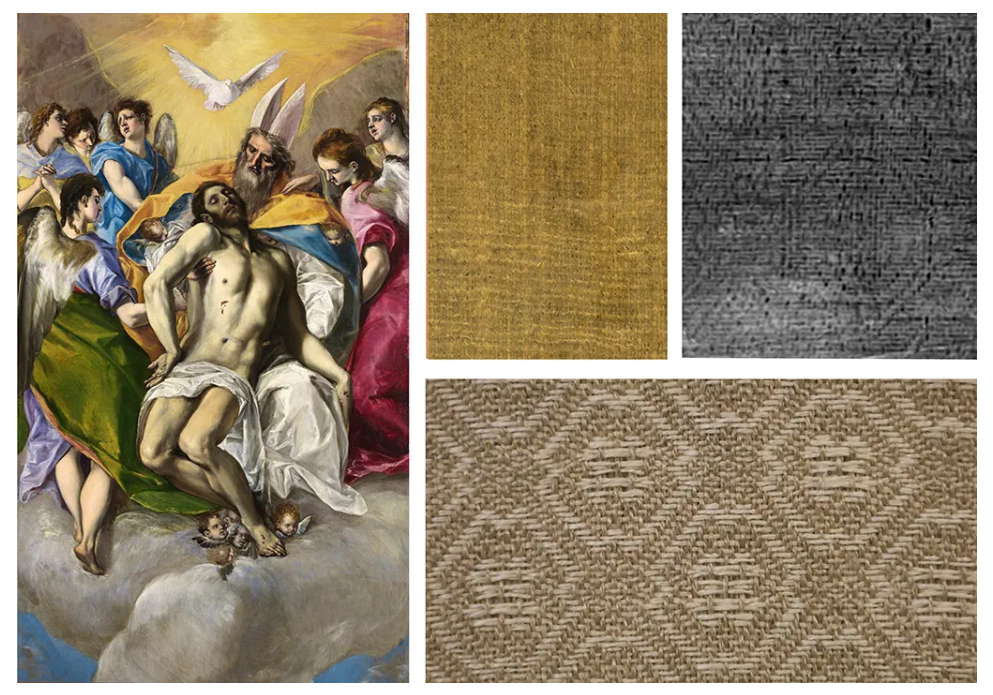
regardless of the fabric's use or origin. In the case of the Prado Museum, its interest lies in characterizing the canvases used as supports by painters. For this reason, the software has been specifically designed to analyze the most commonly used easel painting fabrics: both those with a plain weave and those with a twill weave and simple patterns.
The Prado Museum has been studying its collections for years using the Aracne software and has obtained significant results in attributing, dating, and provenance to works, as well as in establishing relationships between them. Many of these results have been included in the Museum's catalogues and publications. An example of a change in authorship can be found in the recent exhibition "Herrera the Younger and the Total Baroque," held in 2023, where The Artillery General, traditionally attributed to Francisco Rizzi, was reclassified as a work by Herrera the Younger, thanks to the analysis of the canvas weave.
In the exhibition “History of Two Painters: Sofonisba Anguissola and Lavinia Fontana” (2019), the dating of the portrait of Philip II was revised. Traditionally dated to 1565, Aracne determined that its creation should be pushed back to 1573 after discovering that it was painted on the same canvas as the portrait of Anne of Austria. Furthermore, thanks to this software, it has been established that Rubens' copies of Titian's Adam and Eve and The Rape of Europa were painted in Madrid on canvases that came from the same roll of fabric.
The positive results achieved with Aracne and the commitment of both the University of Seville and the Prado Museum to the scientific community have led to this innovative program being offered free of charge through Open Access. Starting today, any user can download this software from the Prado Museum's website, where its methodology and the project's origins are explained, along with some examples of its application. Finally, the current lines of research are outlined, which apply Artificial Intelligence to improve results on certain canvases with unique characteristics.
Arachne is an example of work and collaboration between institutions from seemingly disparate fields such as art and mathematical analysis, as well as an example of generosity from two public institutions seeking to advance knowledge of cultural heritage.
Download information and images https://www.museodelprado.es/museo/acceso-profesionales
Instagram: https://www.instagram.com/reel/DHYDUUGAC9j/