
ETSi researchers develop technologies for the use of hydrogen in the next generation of aircraft
ETSi researchers develop technologies for the use of hydrogen in the next generation of aircraft
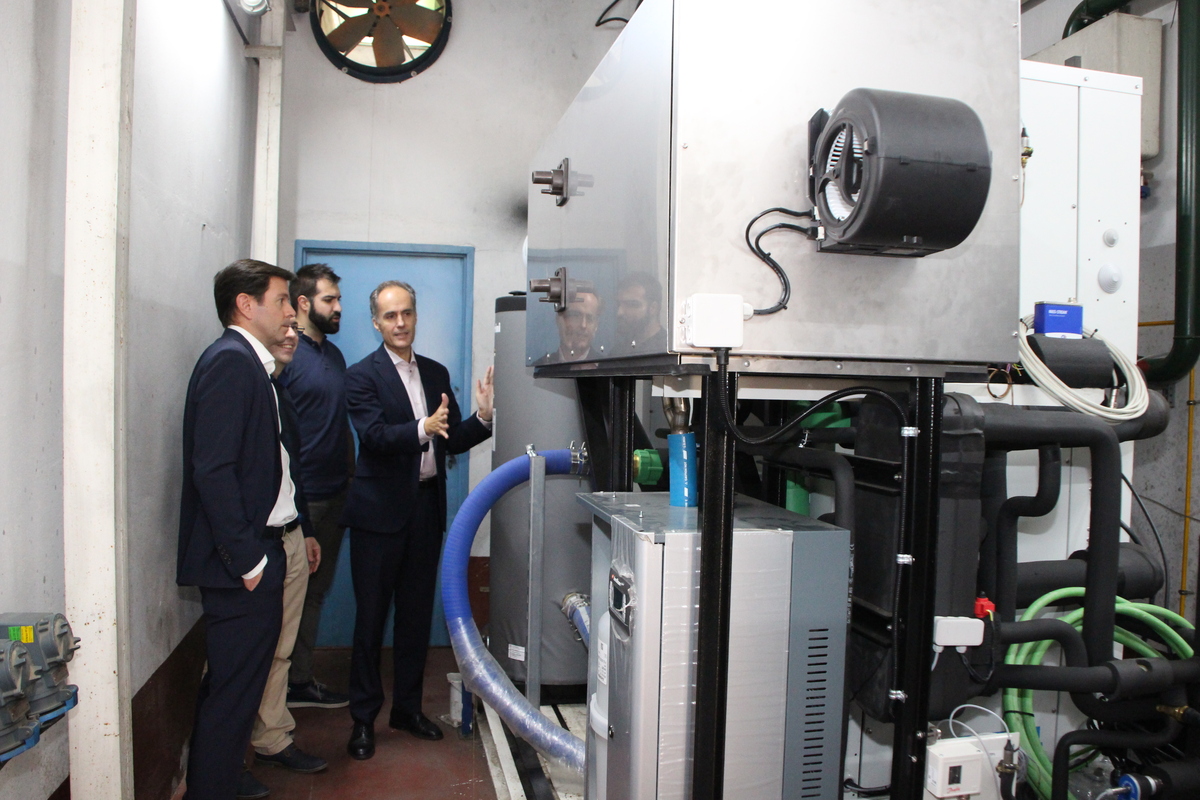
Capgemini visits the Iron-NPE project test bench, installed in the Thermal Engines Laboratory of the ETSi
A group of researchers from the Higher Technical School of Engineering of the University of Seville is developing new technologies and demonstrators of onboard systems for the use of hydrogen in aircraft, within the framework of the Iron NPE Project: Research of new technologies and demonstrators of onboard systems for the use of hydrogen in aircraft.
The Iron NPE project aims to design and develop the architectures of new sustainable hydrogen systems capable of supplying auxiliary power to an aircraft. It also seeks to develop a complete ground-based test cell that will allow for the full battery of tests necessary to qualify and test the new systems.
The AICIA Engines Team, led by David Sánchez, is participating in the project by developing new concepts for non-propulsive power generation systems, based on both fuel cells and gas microturbines, including a novel cryogenic thermal energy recovery system. This concept will also be tested (proof-of-concept) in an experimental facility created specifically for this project at the ETSI laboratories. The Iron NPE project coordination team at Capgemini visited the experimental facility last October, expressing great interest in this development for Airbus, the consortium's leading company.
Iron NPE is a research and development project supported by the Aeronautical Technology Program under the "Large Strategic Projects" category for 2022, within the framework of the European Union's Next Generation/Recovery, Transformation and Resilience Plan. This project has a planned duration of 35 months, beginning in August 2022, and has a total approved budget of €24,577,919 and total funding awarded of €15,879,521.50.


